Apology: Why It's Not Always Admitting Defeat?
 |
| Image Source: Google |
Why is apologizing so hard sometimes?
We often associate apologies with weakness, with admitting
fault, with waving a white flag in the face of conflict. But what if I told you
that apologizing, when done authentically, can be one of the most courageous
and empowering acts in our relationships?
Reframing the Apology: It's Not About Winning or Losing, It's
About Understanding
 |
| Image Source: Google |
It's about recognizing that our words or actions, regardless
of intent, may have caused hurt, disappointment, or pain to someone else. And
that recognition, that empathy, is where the true power of an apology lies.
The Anatomy of a Meaningful Apology: Beyond the Words
 |
| Image Source: Google |
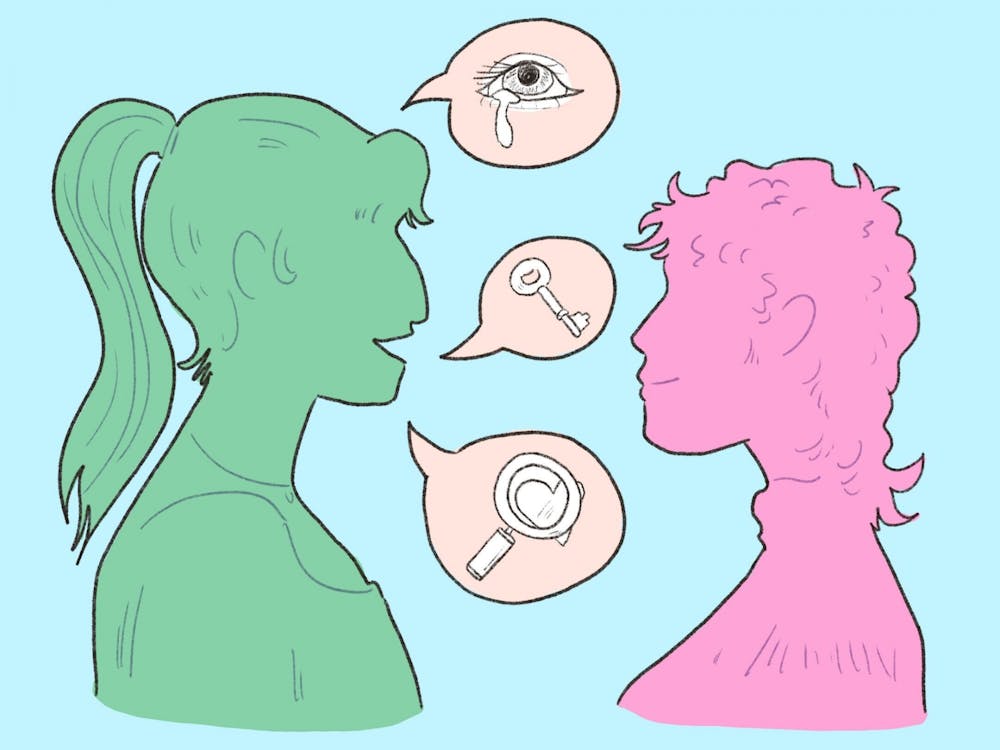
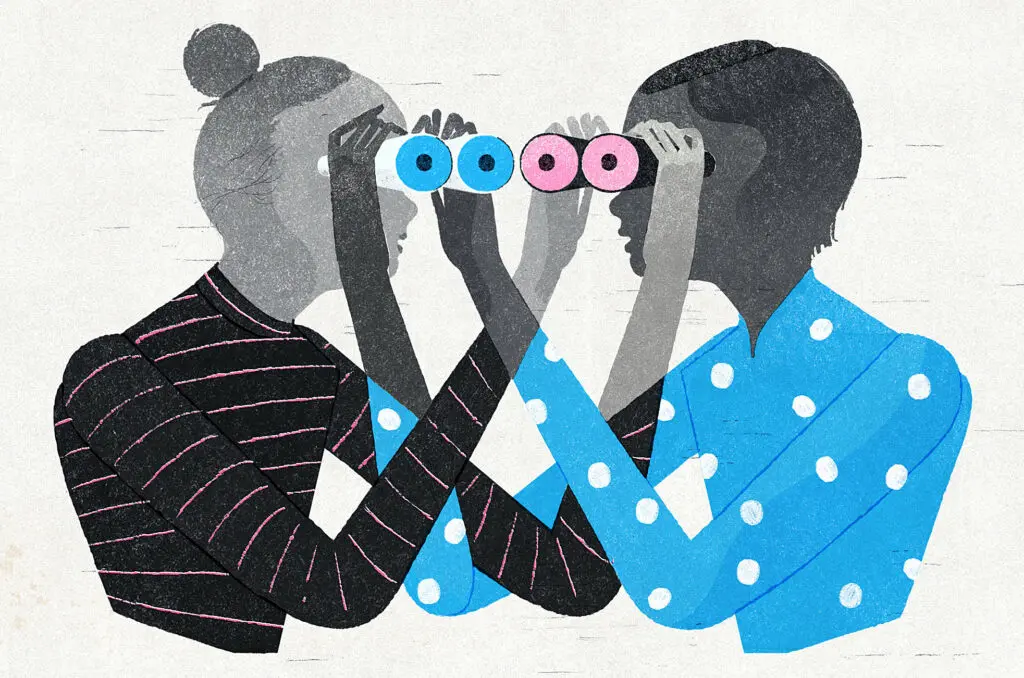
Empathy: Stepping into the other person's
shoes and acknowledging how they experienced the situation.
 |
| Image Source: Google |
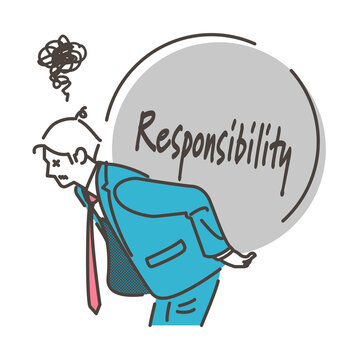
Responsibility: Owning our part in the situation, even if it was unintentional or a result of a misunderstanding.
 |
| Image Source: Google |
 |
| Image Source: Google |
Apology as a Bridge, Not a Band-Aid: Building Stronger
Connections
 |
| Image Source: Google |
Reduce Tension and Foster Understanding:
Clearing the air and creating space for empathy to flow.
 |
| Image Source: Google |
Rebuild Trust and Strengthen Bonds:
Demonstrating a willingness to take responsibility and prioritize the
relationship.
 |
| Image Source: Google |
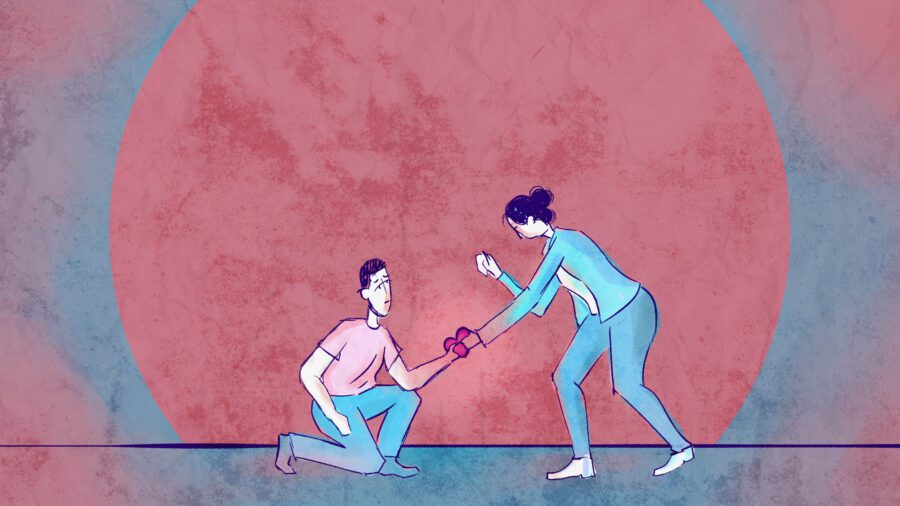
Promote Healing and Move Forward:
Allowing both parties to process their emotions, learn from the
experience, and grow together.
 |
| Image Source: Google |
The Courage to Apologize, The Strength to Forgive: It's a Two-Way Street
 |
| Image Source: Google |
Of course, apologies are most powerful when they're met with
compassion and a willingness to forgive. It takes strength to apologize, and it
also takes strength to offer forgiveness, allowing a relationship to move
beyond hurt and resentment.
So, the next time you find yourself hesitant to utter those
two seemingly small words, remember this: apologizing isn't about admitting
defeat. It's about acknowledging our shared humanity, embracing vulnerability,
and choosing to build stronger, more authentic connections – one courageous
"I'm sorry" at a time.
What are your thoughts on apologizing? What are some ways to
make apologies more meaningful? Share your insights in the comments below!


it's like bridges
ReplyDeletethey help us reconnect after a misunderstanding or hurt.
ReplyDelete